Hiring a wedding planner means handing someone the most important day of your life and trusting they will treat it like it matters. That is a big ask, and you deserve to feel good about the answer.
The good news is that the signals are all there once you know what you are looking at. Here is how to read them.
Where Should You Start Looking for a Wedding Planner?
Start with the people who have already been through it. A recommendation from a recently married friend, cousin, or coworker carries real weight, because they lived the whole experience and have nothing to gain by talking it up.
When someone hands you a name, dig in a little. Ask what the planner actually did for them. Ask how she handled the moment something went wrong, because there is always a moment. Ask whether they felt looked after when they were stressed. A recommendation with a story behind it is worth a dozen without one.
From there, Google will do a lot of work for you. Search planners in your area and see who has a real, established presence. Read their site. Sit with their reviews for a few minutes. You can usually tell within a paragraph or two whether there is a person behind the words.
Do not overlook your venue, either. Venue coordinators watch planners work every single weekend, and they know exactly who runs a calm event and who leaves a mess behind. If your venue is booked, ask them who they love working with. They will tell you.
What Should You Look for in Wedding Planner Reviews?
Look for patterns more than praise. One glowing review means a planner had a good Saturday. Fifteen reviews describing the same qualities tell you who she really is.
Here is what is worth your attention:
- Reviews spread across years. A steady stream from different couples over time says more than a burst of recent ones.
- Stories about something going sideways. The most useful reviews describe a problem and how the planner handled it. Those are the ones to read twice.
- How couples describe the day itself. When people say they felt relaxed, present, and able to soak it in, they are describing the thing you are actually paying for.
- Mentions of the team. If a planner works with a team, you want to hear that the whole team showed up well, not only the owner.
- Repeat families and referrals. When someone writes that they hired a planner after watching her run a sibling's or friend's wedding, pay close attention.
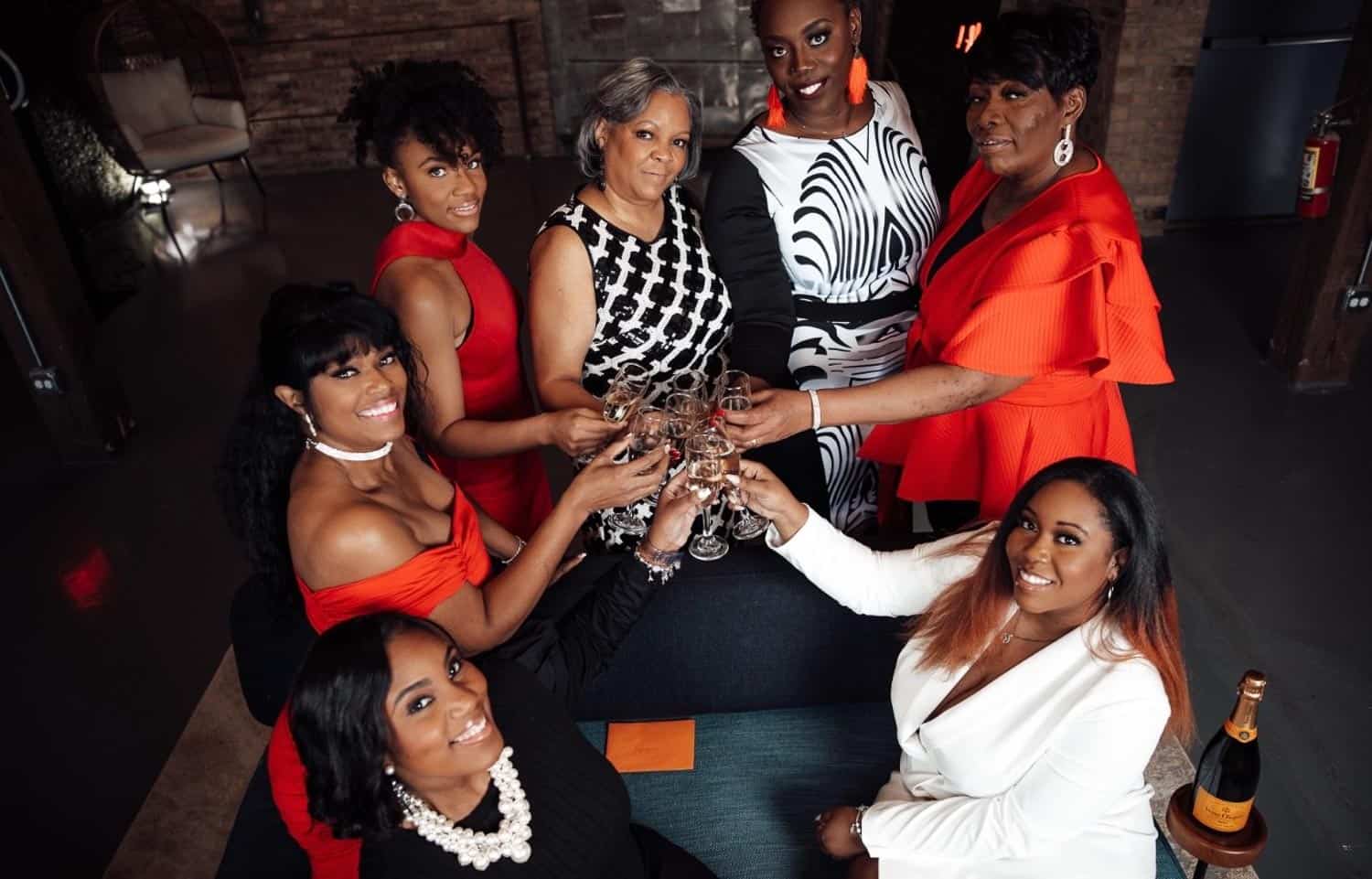
Repeat families deserve a closer look. Families who come back have seen everything, including the parts nobody posts about. At Prime Time Event Planning and Concierge, we have planned weddings for siblings within the same family, and four former brides have gone on to join our team. Nobody does that unless what happened behind the scenes matched what everyone saw on the day.
What Questions Should You Ask a Wedding Planner?
Ask about how she works, not only what she charges. Pricing is the easiest thing to compare and the least likely to tell you how your wedding will feel.
Bring these along:
How many weddings do you take on per weekend? Someone juggling three events on the same Saturday is spread thin, and you will feel it.
Who will actually be at my wedding? Some companies sell you on the owner and send someone you have never met. Ask straight out.
What happens if you get sick? A professional operation has a plan and will share it without missing a beat.
Tell me about a wedding where something went wrong. This is the most revealing question you can ask. Listen for whether she owns it, whether she stayed calm, and whether the couple ever knew.
How do you work with vendors you have not met before? Your wedding may not use her usual list, and you want someone who plays well with everyone.
How will we communicate during planning? Response times, check-ins, phone or email. Getting this settled early prevents most of the friction couples run into later.
Can I see a real wedding timeline? An actual working document, not a portfolio. It shows you exactly how thorough she is.
What Are the Warning Signs of a Bad Wedding Planner?
The clearest warning sign shows up before you have paid a dollar: slow, vague, or scattered communication while she is still trying to earn your business. That pattern rarely improves once the deposit clears.
A few others worth taking seriously:
- A thin contract. Hours, deliverables, team size, and cancellation terms should all be written down.
- Pressure to sign today. Urgency is a sales tactic. A confident planner gives you room to think it over.
- Agreeing to absolutely everything. Someone who never pushes back is telling you what you want to hear.
- Reviews that all sound alike. Short, generic, and clustered in one narrow window is worth a second look.
- Getting defensive about problems. If she insists nothing has ever gone wrong at one of her weddings, she is either new at this or not being straight with you.
- No clear answer about the end of the night. Breakdown, décor retrieval, and vendor settlement are real work, and someone has to do it.
How Much Should You Expect to Pay for a Wedding Planner?
Pricing varies widely depending on the level of service, the size of your wedding, and how much of the work lands on the planner. Full-service planning costs more than month-of coordination because it covers a year or more of steady involvement.
Compare what is included rather than the number on the front page. Two quotes can sit thousands apart and still hold the same value once you account for team size, hours on site, whether breakdown is covered, and how much vendor management comes with it.
Ask what triggers extra fees. Extended hours, additional team members, travel, and rehearsal attendance are common add-ons. A planner who names these upfront is much easier to budget around.
And be honest with yourself about what you need. Couples who book less support than their wedding calls for usually end up making up the difference themselves.
How Do You Know a Planner Is the Right Fit?
Pay attention to how you feel during the consultation. You are going to talk to this person regularly for the next year, sometimes about money, sometimes about family, sometimes about things falling apart. That relationship has to work.
Signs you have found her:
- She asks more questions than she answers in the first meeting
- She is curious about the two of you, not only your date and budget
- She tells you kindly when something is not a good idea
- She explains things clearly and never makes you feel behind
- You hang up calmer than you were when you called
A good planner takes weight off your shoulders in the very first conversation. If you leave a consultation more anxious than you arrived, keep looking. Somebody out there is going to feel like the right fit, and you will know it when you find her.
Frequently Asked Questions
For full-service planning, 12 to 18 months before your wedding is typical, and the most sought-after planners book earliest for peak-season dates. For month-of coordination, most couples reach out four to eight months ahead, though earlier is always safer for popular weekends.
The value comes down to what your time and peace of mind are worth to you. Planners often save couples money through vendor relationships, contract review, and catching costly mistakes early, though that varies wedding to wedding. What stays consistent is how couples describe the day afterward. With professional support, they use words like relaxed and present.
A venue coordinator works for the venue and handles the venue's responsibilities, including their staff, their spaces, and their policies. A wedding planner works for you and manages your whole wedding, including outside vendors, your timeline, your rehearsal, and everything happening beyond the venue's walls. Many couples have both.
Guest count and complexity are two different things. A 40-person wedding with several vendors, a detailed timeline, and out-of-town guests can take more coordination than a large wedding at a venue that handles everything in-house. What matters is how many pieces need managing.
Yes, and this is exactly what partial and month-of planning is built for. Your planner will review the contracts you have signed, take over vendor communication, build your timeline, and run the day itself.
Bring your date if you have one, a rough guest count, a working budget range, and any vendors already booked. Bring your questions, too. A good consultation runs both directions, and what you ask will tell you as much as what you hear back.